Closed-Cell Spray Foam Insulation
Dense foam, around 6.8 R per inch, that blocks air and water and seals the cold spots in one pass.
Learn more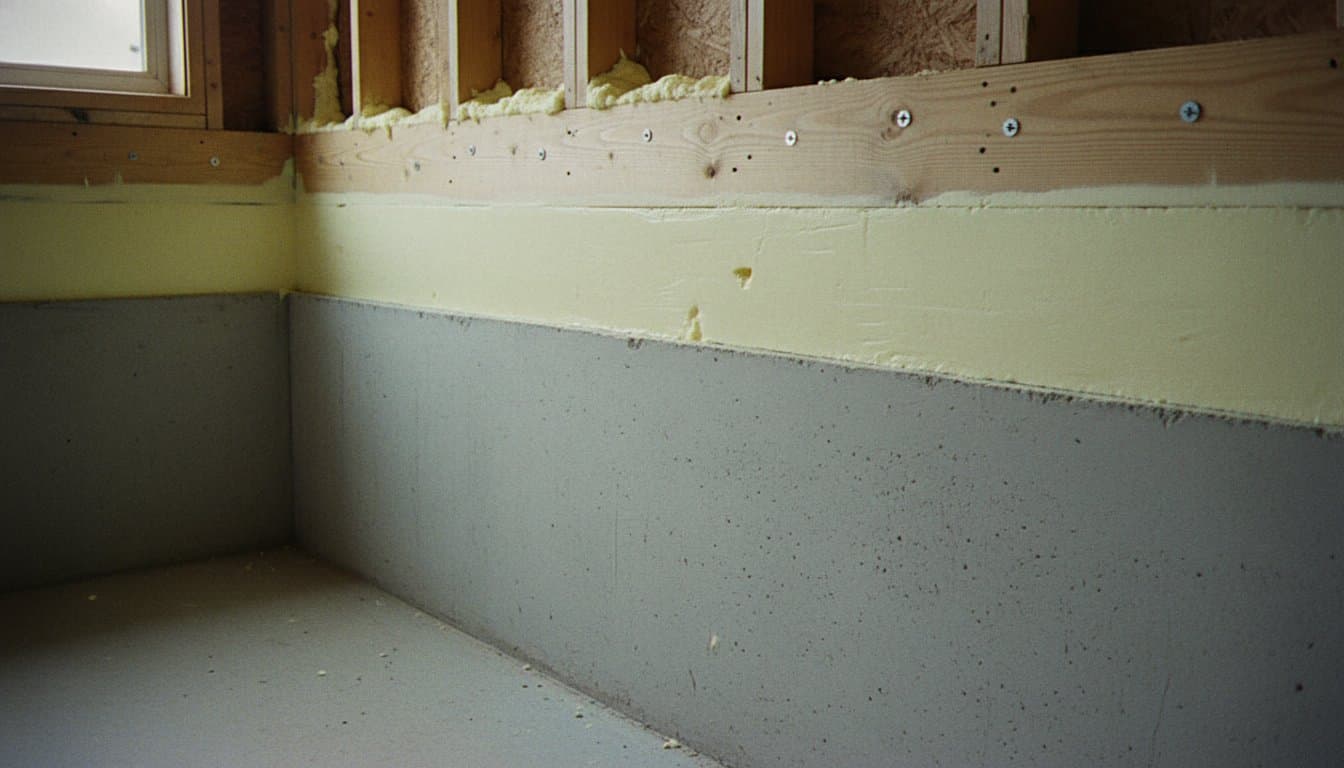
We seal attics, walls, and crawl spaces with spray foam built for hard Michigan winters, so your home holds its heat and your bills come down.
Spray Foam Insulation Rochester Hills homes need most goes right where the heat escapes. We mean the attic, the walls, and the rim of the basement. Cold air slips in through gaps you never see, and in a Michigan January that shows up as a high gas bill and rooms that stay chilly no matter how high you push the thermostat. We spray foam into those gaps so the warm air stays put. You feel the change on the next bill and on the next cold night.
This is the only thing we do. Some homeowners call us about a bonus room over the garage that never warms up. Others want a damp crawl space sealed so the floors above it stop feeling cold. New attics, bare walls during a remodel, a pole barn out past Lake Orion: we handle all of it. If part of your home never feels right in winter, that is usually where the air is leaking.
Two kinds of spray foam insulation do the heavy lifting. Closed cell foam is dense and hard. It packs a high R value into a thin layer and blocks both water and air at once, which is exactly what you want against a cold rim joist or a damp basement wall in this climate. Open cell foam is lighter, expands to fill a whole wall bay, and quiets the room while it seals. We pick the one that fits the space and your budget, then we explain that choice before any foam goes down.
You do not need to know any of this to call us. You just know the back room is cold or the bill is too high. We come out, find the real problem, and give you a free quote in plain words. Most visits take under an hour, and we put the number in writing before you owe us a thing. We keep it honest and never push you to buy more than your home needs. Down in Macomb County, our spray foam insulation in Sterling Heights crew covers that area.
Dense foam, around 6.8 R per inch, that blocks air and water and seals the cold spots in one pass.
Learn moreA lighter foam, around 3.9 R per inch, that expands to fill a whole wall bay, seals the air, and quiets the room.
Learn moreSeal and insulate the attic, where most homes lose the most heat, so your bills come down.
Learn moreWrap the crawl space in a sealed vapor barrier and foam, so damp air and cold floors stop creeping up into the house.
Learn moreFill open or finished walls with foam that reaches every corner of the bay, so the rooms along them warm up.
Learn moreSeal and insulate the whole shell while the framing is open, before the drywall goes up.
Learn moreA spray foam insulation job is only as good as the prep that comes before it. We start by finding where your home leaks air. In an older Rochester Hills house that is usually the attic floor, the top of the walls, and the rim joist around the basement. Foam sprayed over a dirty or wet surface will not stick the way it should. So we clean, dry, and clear the area first. Skipping that step is the fastest way to a job that fails inside a year.
Thickness matters as much as coverage. Closed cell foam gives you about 6.8 R per inch, so a couple of inches at the rim joist does real work. Open cell foam runs near 3.9 R per inch, and it is the one we want when we need to fill a deep wall or roof bay. A cheap crew sprays a thin, uneven coat and calls it done. We measure depth as we go and pass back over any low spots. The goal is a steady R value across the whole surface, not a number that only looks good on paper. Down in Texas, a Missouri City spray foam insulation crew measures depth the same way.
Michigan gives insulation a hard test. Our winters drop well below freezing, and the warm, wet air inside your home wants to push out through every gap. When that damp air hits a cold surface it can leave water behind. In a crawl space or attic that means wet wood and, over time, mold. Closed cell foam stops that, because it blocks the air and the moisture in one layer. That is why we lean on it for rim joists and crawl spaces, where the cold ground sits right against the wood. If that wood already shows black spotting we stop and say so, because mold remediation has to happen before any foam goes on, and the Warren crew we send those calls to is honest about what that takes.
Insulation and air sealing are not the same job, and you want both. Picture a thick winter coat worn with the zipper down. The coat helps, but the draft still wins. So we seal the leaks first, then add the foam. We find those leaks the honest way, with a door fan that pulls air through the house until the hidden gaps give themselves away. Then we chase them down, around wires, pipes, the chimney chase, and the spots where the framing meets.
Foam is also not the place to cut corners on the mix. The two parts have to come together at the right ratio and the right temperature, or the foam never cures hard and can stay tacky or hold a smell. We run our gear by the numbers and watch the set on every pass. We protect your house while we work, mask the floors, cover what stays, and air the space out so you can move back in without a fuss.
When the work is done right, you notice it fast. The furnace cycles less. The cold spot by the back room is gone. The floors over the crawl space stop feeling like a sheet of ice in February. A good spray foam insulation job is quiet, even, and trimmed clean, with foam in every gap and none where it does not belong. That is the standard we hold on every home we touch in Rochester Hills and the towns around it.
A short on-site visit. We look at the job in person and write a fixed quote on paper, not over the phone.
The slow, unglamorous step most shortcuts skip. Done right here so the finish actually holds.
A local crew runs the job in the order that lasts, with the materials named in the quote.
We hand the work back with a final walk-through, so you see exactly what was done and why.
Closed cell foam is dense and hard. It packs a high R-value into a thin layer and blocks both air and water, which is why we reach for it on rim joists and crawl spaces where the cold sits right against the wood. Open cell foam is the lighter one. It expands to fill a whole wall bay and quiets the room while it seals, and we pick the foam that fits the space before we ever spray.
For most older homes here, yes. The attic floor, the top of the walls, and the rim joist are where the air leaks worst, and once we seal those gaps the furnace runs less and the cold rooms finally warm up. We come out and find the real problem. Then we put a free quote in writing before you owe us a thing.
It depends. How leaky your home is now, and where we seal it, decides how much you save, but most homes bleed heat through the attic and the rim joist. Close those gaps and the furnace cycles less. We give you an honest read instead of a wild promise.
Yes. Once the foam cures hard it turns inert, and it stays put in your walls and attic without giving off fumes. The key is a clean mix and a full cure. So we run our gear by the numbers, watch the set on every pass, and air the space out before you move back in.
It depends on what is there now. Old, wet, or moldy insulation has to come out first, because foam will not stick to a dirty or damp surface. Dry, sound insulation can sometimes stay. We check the space and tell you which way makes sense for your home.
Serving Rochester Hills and the surrounding Oakland.


